


- Home
- Food industry
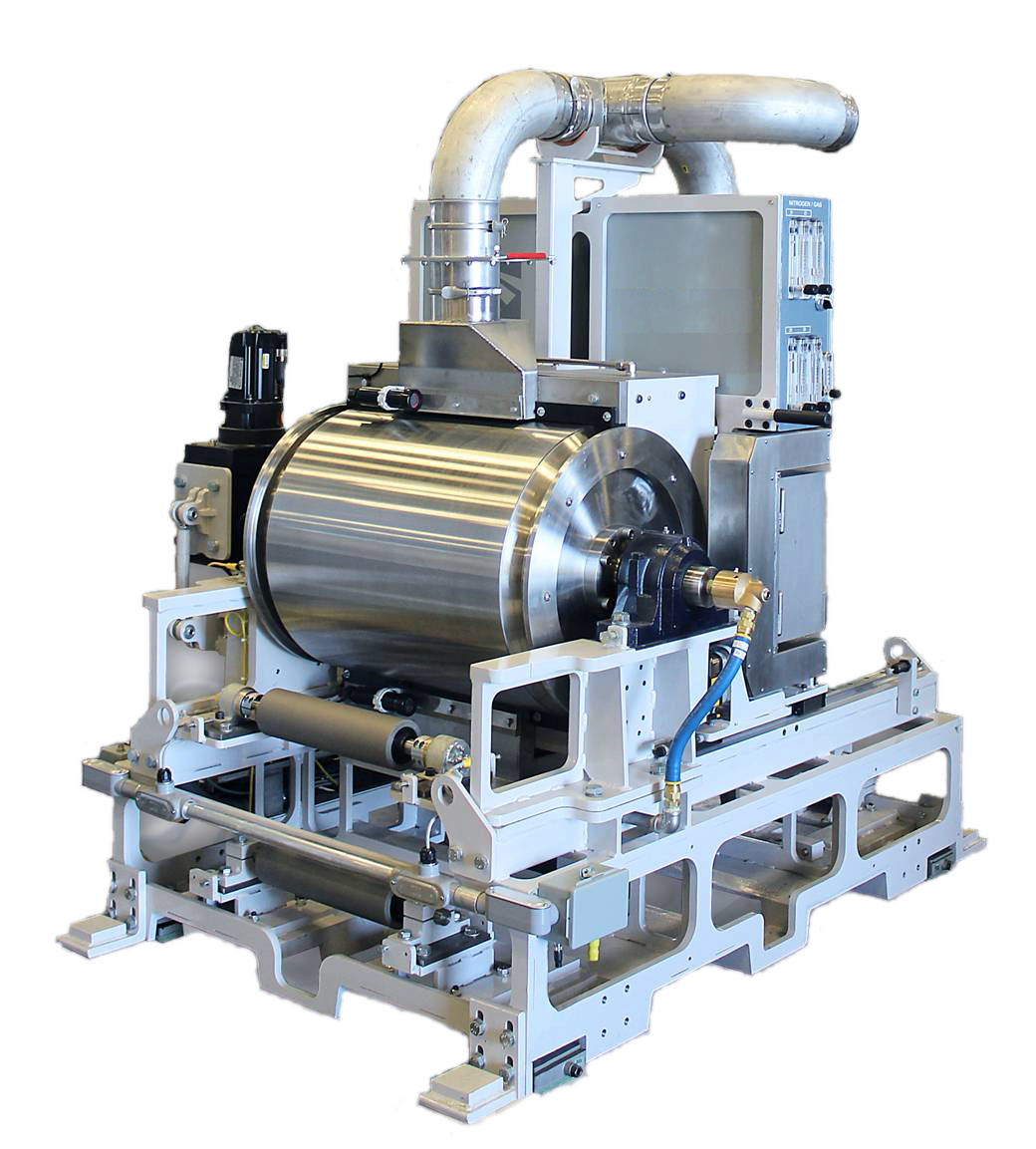
- Industrials decontamination food by E-beam
Industrials decontamination food by E-beam
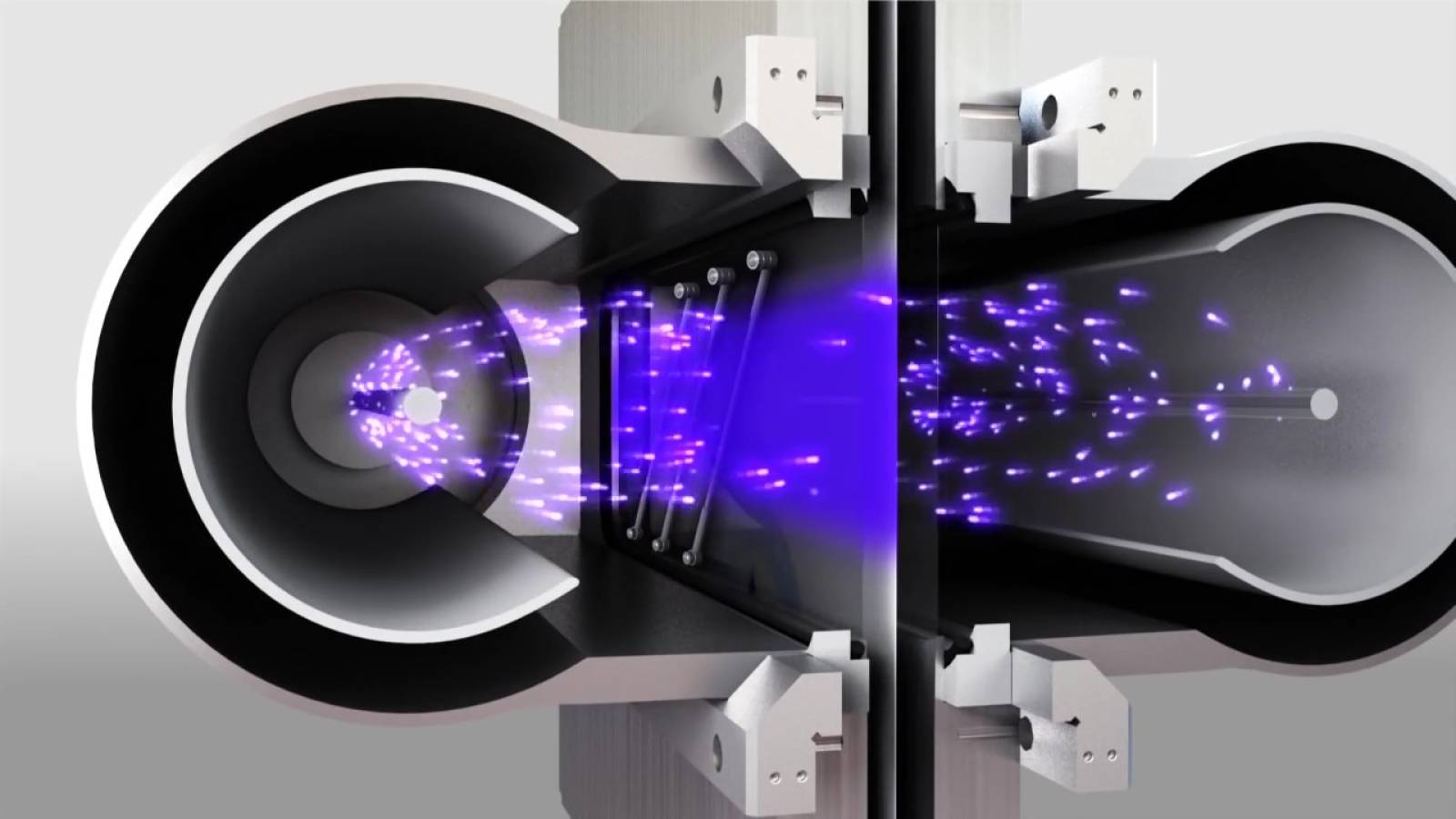
While infrared stabilizes or pasteurizes food products, electron beam (EB) treatment reduces the number of microorganisms they contain.
The ability of electron beams to effectively destroy microorganisms has been known for decades and is widely used in the United States but very little in Europe (authorized by the US Food and Drug Administration and the US Department of Agriculture). However, the WHO has now authorized it for human consumption after extensive scientific research.
Decontamination differs from sterilization in that it does not necessarily destroy all germs. Irradiation effectively destroys some microorganisms and many bacteria.
Currently, seven countries in the European Union allow irradiation for food: Belgium, the Czech Republic, France, Italy, the Netherlands, Poland, and the United Kingdom.
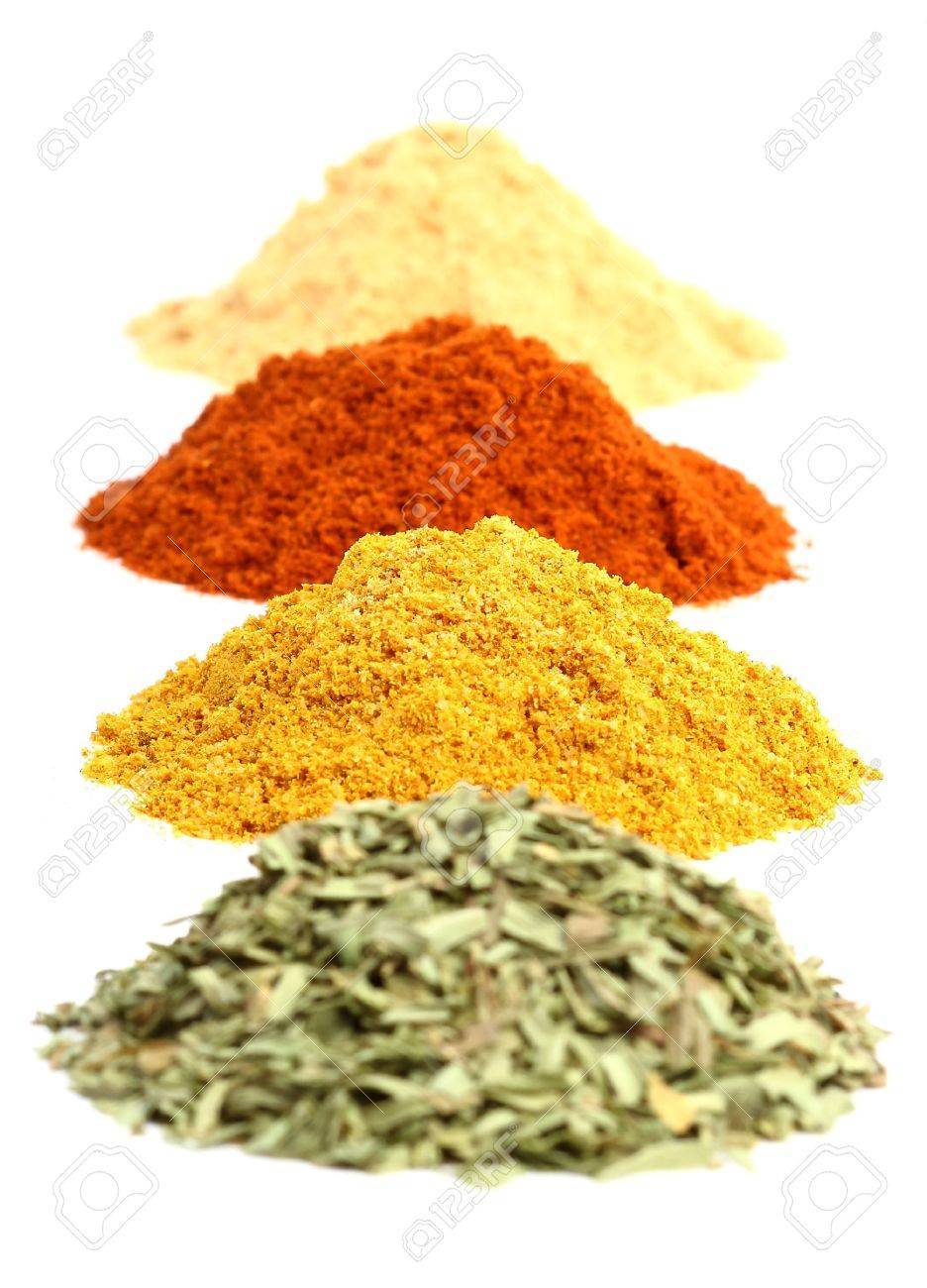
In France, the following foods can be treated with ionization: strawberries, onions, shallots, cereal flakes and sprouts, dried vegetables and fruits, rice flour, meat and poultry offal, frozen frog legs, frozen shrimp, dried spices and herbs. In the UK, you can irradiate fish.
Ebeam decontamination has the advantage of not being thermal, which avoids the consequences of high temperatures.
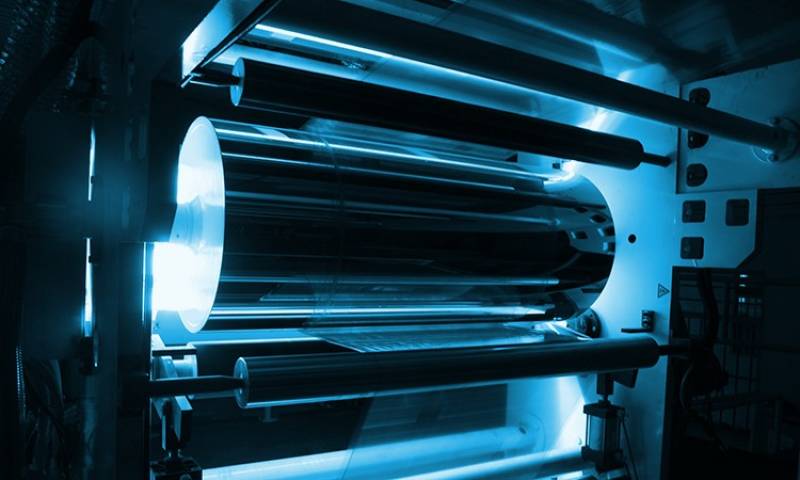
Decontamination of food films by electron beam

Improving packaging properties by electron beams (E-beam)
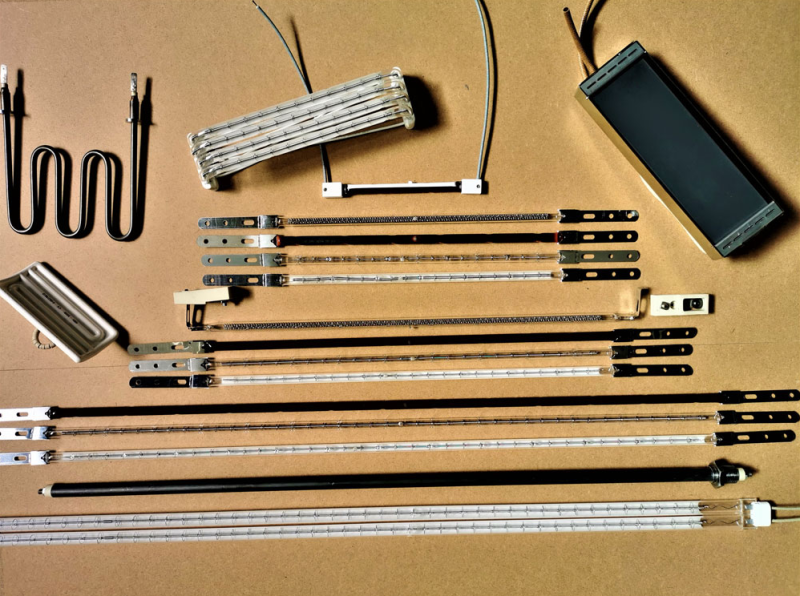
Infrared and Ultraviolet Spare Parts for Industrial Installations
